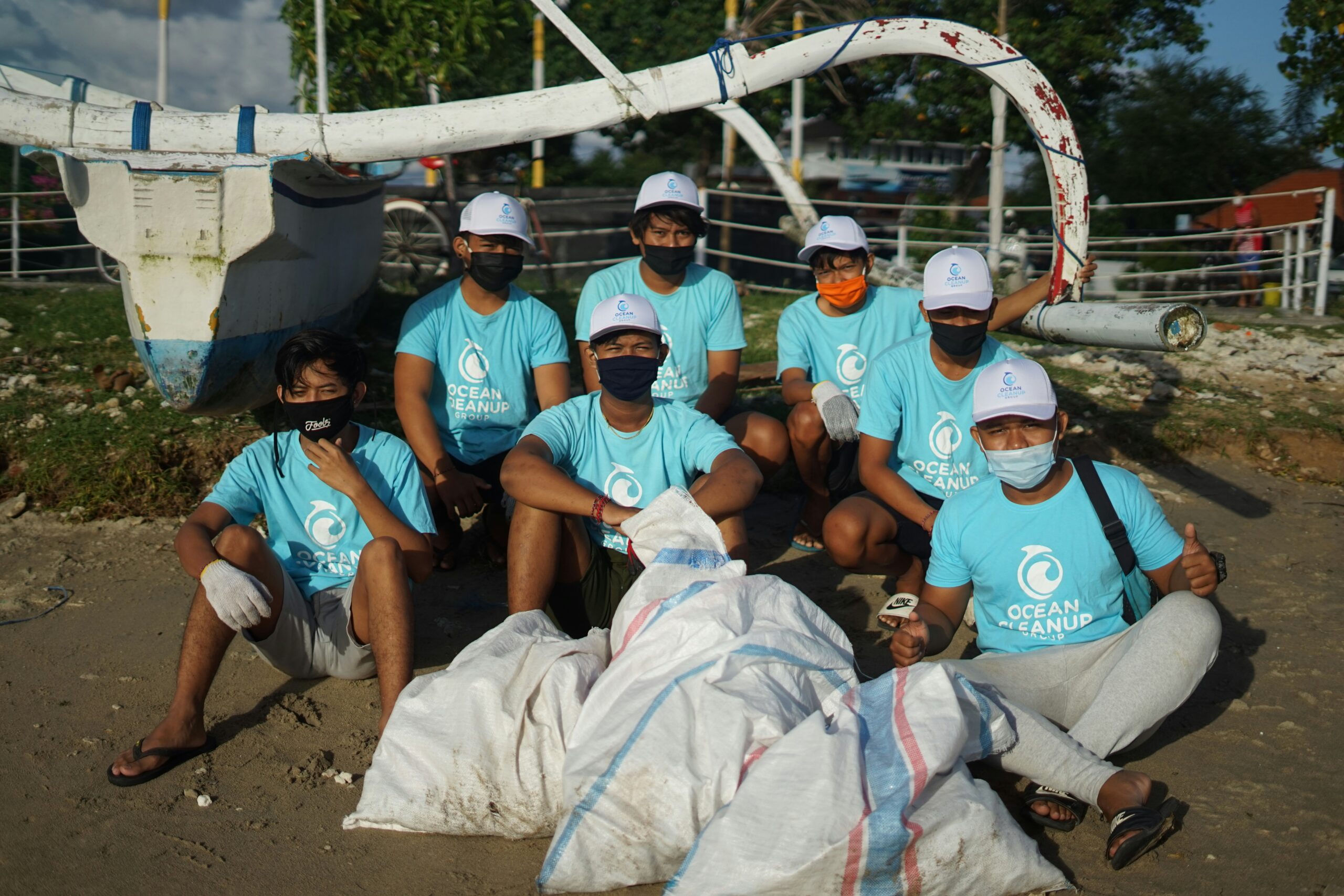
Philanthropic leadership is more than donating money. It is about using influence, time, and resources to solve real problems in society. Leaders in this space focus on community development, long-term change, and sustainable support systems that help people live better lives.
In many cases, these leaders work with nonprofits, schools, local governments, and grassroots organizations. They listen first, then act. For example, a business owner might fund after-school programs in underserved neighborhoods, while also mentoring young students. As a result, impact grows beyond financial support and becomes personal, consistent, and deeply connected to community needs.
Why Local Action Creates Lasting Change
Strong communities rarely grow from a single great effort. Instead, they grow through consistent local action. That is where social responsibility becomes important for leaders who want real impact.
When leaders invest in local projects, they build trust over time. For instance, supporting a neighborhood food pantry or funding community health clinics creates direct and visible benefits. Moreover, people begin to feel seen and supported, which strengthens social bonds. Because of this, small efforts often lead to long-term transformation.
The Role of Vision in Community Growth
Every meaningful initiative starts with a clear vision. Without direction, even good intentions lose focus. Effective philanthropic leadership depends on setting goals that go beyond short-term results.
For example, a foundation might aim to improve literacy rates in a city over five years, rather than donating books once. In addition, leaders often measure progress through real outcomes, such as graduation rates or job placements. This approach ensures that efforts remain aligned with long-term community needs rather than with temporary solutions.
Building Partnerships That Strengthen Impact
No leader can create change alone. Therefore, collaboration plays a key role in expanding reach and effectiveness. Strong nonprofit collaboration helps combine resources, knowledge, and experience.
For instance, a local charity might partner with a corporate sponsor to expand mental health services. Meanwhile, community leaders may help identify families who need the most support. As a result, partnerships reduce duplication of effort and increase efficiency. When organizations work together, communities benefit from shared strength instead of isolated actions.
Turning Resources Into Sustainable Support
Funding alone does not solve problems. Leaders must also ensure that resources create lasting systems. That is where charitable impact becomes more structured and strategic.
For example, instead of donating one-time school supplies, a leader might invest in teacher training or classroom infrastructure. Consequently, the benefits continue year after year. In addition, sustainable programs reduce dependency and help communities become more self-reliant over time.
Education as a Foundation for Growth
Education remains one of the most powerful tools for community transformation. Many leaders focus on educational outreach because it creates long-term opportunities for individuals and families.
For instance, scholarship programs help students access higher education who might otherwise not be able to afford it. Similarly, mentorship programs connect young people with professionals who guide their career paths. As a result, education not only improves individual lives but also strengthens entire communities by creating better job opportunities and fostering economic growth.
Listening First to Understand Real Needs
One common mistake in community work is assuming what people need without asking them. However, effective leaders prioritize listening. This approach strengthens community engagement and builds trust.
For example, instead of launching a pre-designed program, a leader might hold town hall meetings to understand local concerns. Through these conversations, they often discover issues that data alone cannot show. Furthermore, listening fosters ownership among community members, increasing participation and long-term success.
Measuring Progress Without Losing Humanity
Numbers matter in philanthropy, but they do not tell the whole story. While metrics like funds raised or programs launched are important, leaders must also consider human experiences. Therefore, effective impact measurement combines data with personal feedback.
For example, a housing program may track how many families receive shelter. However, leaders also gather stories from residents to understand how their lives have changed. This balance ensures that progress remains meaningful rather than merely statistical. Moreover, it helps organizations adjust their approach when needed.
Challenges That Shape Stronger Leadership
Philanthropic leadership comes with real challenges. Funding limitations, coordination issues, and unexpected community needs often create obstacles. However, these challenges also build resilience and creativity.
For instance, during economic downturns, many organizations face reduced donations. In response, leaders often find new partnerships or redesign programs to maintain support. Additionally, transparency becomes essential to maintain trust with both donors and communities. Through these challenges, leadership becomes more adaptive and grounded in real-world conditions.
Encouraging the Next Generation of Leaders
Sustainable change requires preparing future leaders. Many organizations now focus on mentoring young individuals who are interested in social impact leadership.
For example, internship programs at nonprofit organizations give students hands-on experience in community work. Meanwhile, leadership workshops help them understand how to manage projects and collaborate effectively. As a result, the next generation learns not only theory but also practical skills needed to continue the mission of community development.
The Lasting Value of Purpose-Driven Action
At its core, philanthropic leadership is about purpose. It connects personal values with community needs in a meaningful way. When leaders stay committed to long-term change, they create ripple effects that extend far beyond immediate results.
Moreover, purpose-driven action inspires others to contribute as well. A single initiative can encourage businesses, individuals, and organizations to participate in building stronger communities. Over time, this collective effort becomes a powerful force for positive change.
Building Communities That Thrive Together
Philanthropic leadership is not a one-time effort. Instead, it is a continuous journey of learning, listening, and improving. When leaders focus on collaboration, education, and sustainable support, they create environments where communities can truly thrive.
Furthermore, success in this field is not measured only by the resources distributed, but by the lives improved and futures strengthened. Ultimately, when leadership is guided by purpose, it transforms both individuals and entire communities for the better.