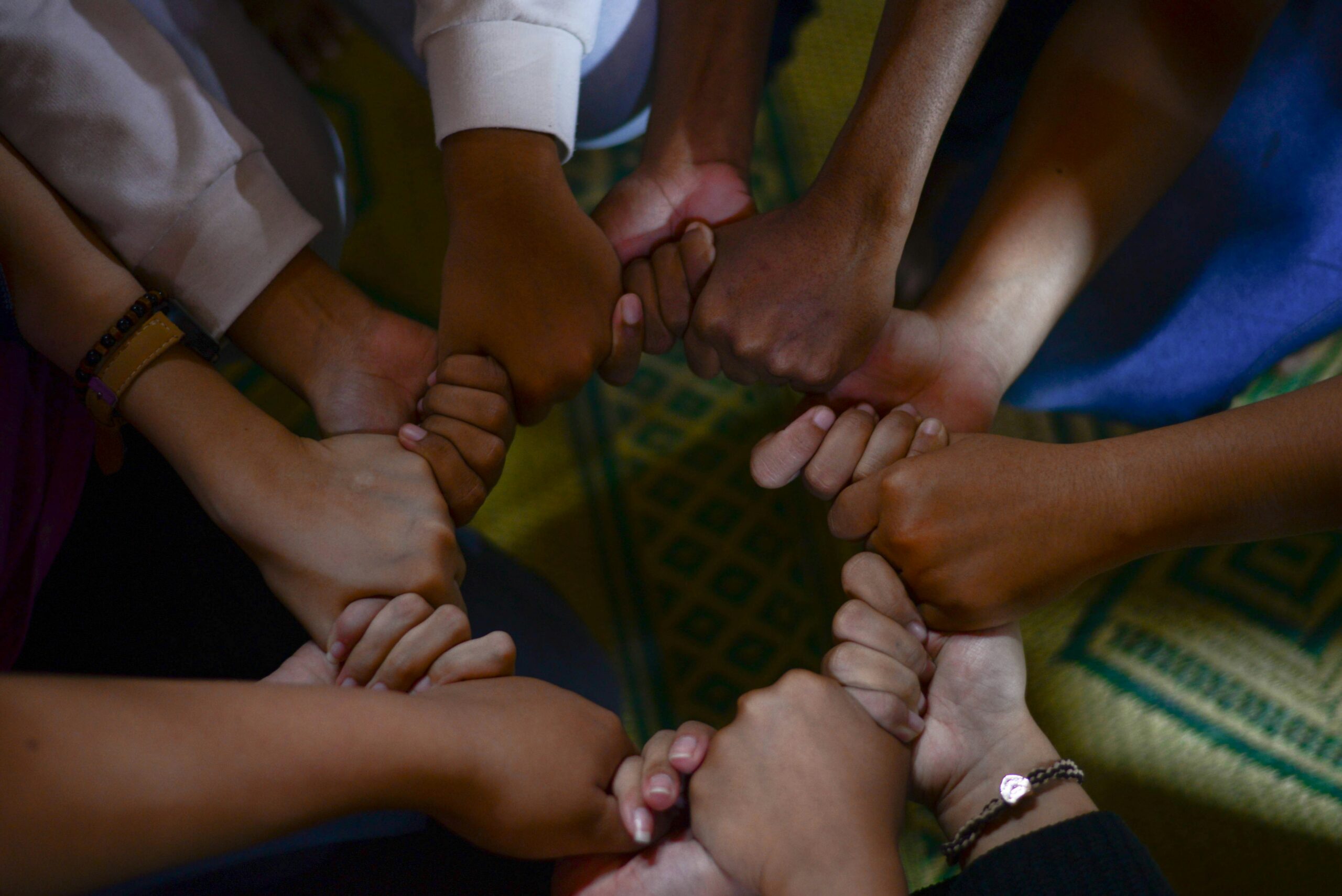
Philanthropic leadership means using influence, time, money, and care to help others. It is not only about giving large donations. It is about seeing a need and taking action. A person who leads through giving understands that success has a greater purpose when it helps improve the lives of others.
This kind of leadership can come from business owners, nonprofit leaders, public figures, local organizers, or everyday people. What matters most is the desire to serve. When leaders give with purpose, they help build stronger communities where people feel supported, valued, and hopeful.
Why Strong Communities Need Caring Leaders
Every strong community depends on people who care enough to act. Families need safe neighborhoods. Children need good schools. Workers need fair chances. Older adults need support. People facing hardship need help that protects their dignity. Caring leaders can bring attention and resources to these needs.
When leaders step forward, they can make problems harder to ignore. Their actions can inspire others to get involved. A single act of giving can grow into a wider movement when people see that real change is possible. This is why philanthropic leadership matters so much.
Giving Builds Trust
Trust grows when people see leaders showing up in meaningful ways. A leader who supports local causes sends a clear message. That message says the community matters. It also says people are not alone when they face hard times.
Trust does not happen overnight. It grows through steady action. A leader who gives once may help for a moment. A leader who keeps giving, listening, and serving can build lasting respect. This trust makes it easier for people and organizations to work together.
Philanthropy Helps Meet Real Needs
Many communities face serious challenges. They can provide money, volunteers, equipment, advice, or public support. When local organizations become stronger, the entire community benefits. Philanthropy can help close these gaps.
Good philanthropic leadership starts with understanding what people truly need. Leaders should not guess. They should listen to residents, teachers, parents, nonprofit workers, and local groups. When giving responds to real needs, it becomes more useful and more respectful.
Leaders Can Turn Giving Into Action
Generosity has the greatest impact when it leads to action. A donation can fund a meal program. A business partnership can support job training. A scholarship can help a student continue in school. A volunteer project can improve a park or community center.
Philanthropic leaders know how to connect resources with results. They do not give only to feel good. They give to help solve problems. Their leadership turns care into practical support, and practical support can change lives.
Stronger Communities Grow Through Opportunity
A stronger community is not built only by helping people during a crisis. It is also built by creating opportunities. People need chances to learn, work, lead, and grow. Philanthropic leadership can open doors that may have been closed for too long.
Leaders can support programs that help people gain skills, start small businesses, enter college, or find stable work. These efforts help individuals build better futures. They also help families and neighborhoods become more stable over time.
Local Organizations Need Support
Many local nonprofits and community groups do important work every day. They help feed families, mentor young people, support seniors, protect the environment, and respond to emergencies. Yet many of these groups lack sufficient funding or staff.
Philanthropic leaders can help these organizations stay strong. They can provide money, volunteers, equipment, advice, or public support. When local organizations become stronger, the entire community benefits. More people receive help, and services become more reliable.
Giving Inspires More Giving
One powerful part of philanthropic leadership is its ability to inspire others. When people see a leader give with honesty and care, they may feel moved to help too. Giving can spread from one person to a team, a workplace, a school, or a whole neighborhood.
This creates a culture where service becomes normal. People begin to ask how they can help, rather than waiting for someone else to act. Over time, this shared spirit can make a community more connected and more resilient.
Philanthropy Brings People Together
Communities become stronger when people work together. Philanthropy can bring businesses, schools, nonprofits, faith groups, families, and local leaders into the same conversation. Each group has something valuable to offer.
A business may provide funding. A school may identify student needs. A nonprofit may deliver services. Residents may share ideas and volunteer their time. When these efforts come together, the results can be greater than what any one group could do alone.
Good Giving Requires Listening
Philanthropic leadership should always include listening. Leaders may have resources, but community members have lived experience. They understand the daily problems, local history, and hidden barriers that outside supporters may miss.
Listening helps leaders avoid mistakes. It also helps people feel respected. When communities help shape the solutions, they are more likely to trust them and support them. Good giving is never one-sided. It is a shared effort built on respect.
Long-Term Support Creates Lasting Change
Short-term help can be important, especially during emergencies. Food drives, relief funds, and crisis aid can protect people when they need support right away. But stronger communities also need long-term investment.
Leaders should think about what will still matter years from now. Education, health services, job training, youth programs, and affordable housing support can create lasting change. These investments help people move from survival toward stability and growth.
Responsible Leaders Measure Impact
Giving should be kind and thoughtful. Leaders need to ask whether their support is making a real difference. They should look at what changed, who was helped, and what can be improved.
This does not mean turning people into numbers. It means using facts and feedback to make better choices. A responsible leader wants every gift, program, and partnership to serve people well. Measuring impact helps keep philanthropy honest and useful.
Philanthropy Protects Human Dignity
The best philanthropic leadership respects the dignity of every person. People who need support should never feel ashamed. They should feel seen, valued, and included. Giving should lift people, not make them feel small.
Leaders can protect dignity by working with care and humility. They can support programs that offer choice, privacy, and respect. When people feel respected, they are more likely to trust the help being offered and take part in building better solutions.
Communities Become Stronger Through Shared Hope
Hope is an important part of community strength. People need to believe that change is possible. Philanthropic leadership can create that hope by showing that problems can be addressed and that people are willing to help.
A scholarship can give a student hope. A housing program can give a family hope. A youth center can give hope to a neighborhood. These acts may seem small at first, but they can shape the way people see their future.
Why Philanthropic Leadership Matters Today
Philanthropic leadership matters because communities face needs that cannot be solved by any one person, group, or program alone. Strong leaders can bring people together, direct resources wisely, and keep attention on the common good.
When leaders give with purpose, they help create safer, healthier, and more connected places to live. Their actions show that leadership is not only about personal success. It is also about service, responsibility, and care for others.