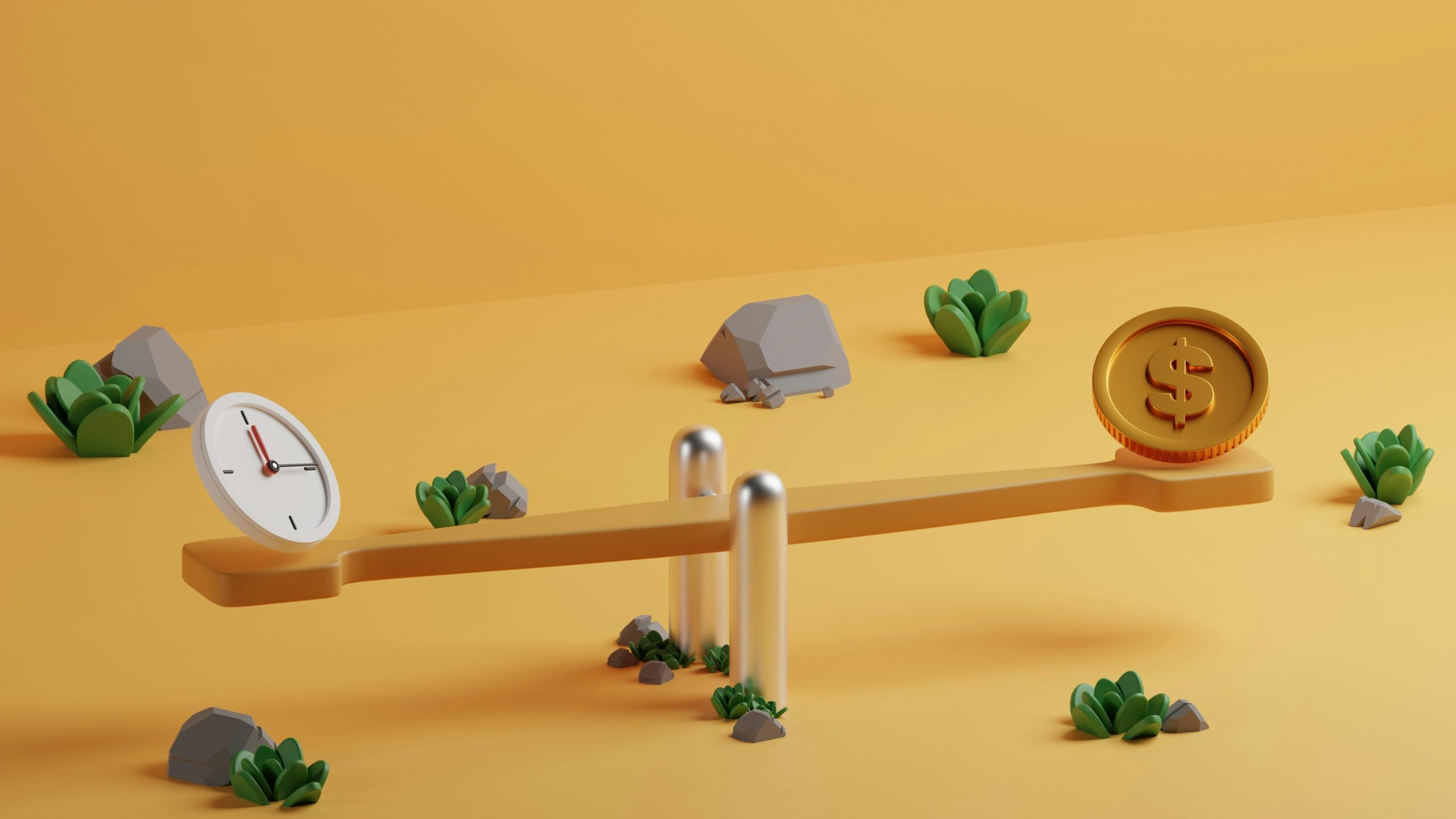
Finding work-life balance has become a central goal for many professionals who want to advance their careers while protecting their personal well-being. The modern world moves fast, and expectations rise every year, yet people still search for harmony between ambition and everyday life. This balance matters because it shapes mental health, relationships, productivity, and long-term success. When individuals learn to manage both sides with intention, they gain a healthier lifestyle and a more fulfilling path forward.
The Modern Challenge of Work-Life Balance
Many people chase professional success with energy and passion, yet they often forget to safeguard their personal needs. Daily tasks can grow until they fill every hour, and stress arrives before people notice. When this happens, life becomes uneven. As workloads increase, rest decreases. This imbalance affects motivation, mood, and the ability to enjoy simple moments. Even so, many professionals keep going because they feel pressure to perform at a constant peak.
At the same time, society pushes a message that achieving more always leads to greater happiness. This idea encourages long hours and emotional strain. Still, the truth shows a different story. A strong work-life balance supports better decision-making, higher productivity, and steady progress. People who understand this shift their focus from endless work to better habits. They choose routines that conserve their energy and grow with less stress.
Why Professional Growth Requires Personal Stability
Actual professional growth depends on a stable personal life because the mind works best when there is balance. When someone enjoys quality time with loved ones, rests well, and manages responsibilities with calm energy, they gain the strength needed to grow in their career. This stability supports creativity and critical thinking. It also motivates people to take on new challenges with confidence. Without it, even talented individuals struggle to reach their goals.
Personal stability also encourages resilience. Life often brings unexpected events, and professionals who maintain balance bounce back faster. They do not burn out as quickly, and they can adjust to change with ease. The workplace benefits from this resilience because teams thrive when members stay healthy and focused. In this sense, work-life balance becomes a foundation for long-term success rather than a simple lifestyle choice.
The Emotional Impact of an Unbalanced Life
When work-life balance slips, emotions shift in ways that affect every part of life. Stress shows up first, building slowly until it feels overwhelming. As days grow heavier, joy disappears from daily routines. People stop enjoying hobbies. They disconnect from friends and family. This emotional weight harms mental clarity and drains motivation. Because of this, small tasks start to feel harder, and setbacks seem bigger.
This emotional strain also influences relationships. When someone feels exhausted, patience fades. Communication becomes short and unclear. Loved ones feel distant even when they stand close. Over time, these patterns create tension and misunderstandings. Still, many people do not realize the cause until the imbalance grows too strong. Recognizing the signs early helps individuals return to a healthier path more easily.
Setting Boundaries to Strengthen Work-Life Balance
Effective boundaries protect energy and time, and they help people focus on what truly matters. Without clear limits, work pushes into personal hours and creates stress. Setting boundaries allows professionals to complete tasks with intention and still enjoy their lives at home. This practice encourages stronger discipline and reduces burnout. When boundaries stay firm, daily life feels more stable and more predictable.
Clear boundaries also improve workplace performance. When someone decides when to work and when to rest, their energy stays steady. Strong time management skills help maintain this stability, leading to better focus, faster problem-solving, and higher-quality results. Coworkers and managers respect individuals who handle their time well because they demonstrate reliability and consistency. Over time, these traits build trust, helping professionals grow their careers without losing themselves in the process.
Building Healthy Habits That Support Balance
Healthy habits strengthen work-life balance by providing structure and clarity. A consistent sleep routine, short breaks throughout the day, and mindful moments help people reset their minds. These habits also improve memory, reduce stress, and increase overall happiness. As individuals practice them daily, their resilience grows. They learn to protect their mental and physical energy, even during busy seasons.
In addition, healthy habits guide professionals toward a more intentional lifestyle. When people plan their day, use their time wisely, and choose activities that bring joy, they develop a strong sense of purpose. This purpose helps them manage challenges with patience. It also motivates them to stay consistent with their goals. Each positive habit becomes a step toward long-term balance and continued success.
The Role of Communication in Achieving Balance
Open communication supports work-life balance by preventing misunderstandings and encouraging teamwork. When individuals express their workload limits or request support, they reduce hidden stress. Clear communication helps managers understand what their teams need. It also encourages a healthy work culture built on respect. This environment allows professionals to grow without sacrificing personal well-being.
Communication also strengthens personal relationships. When people share their thoughts honestly with partners, friends, or family, they create a deeper understanding. Loved ones can offer support when someone feels overwhelmed. These conversations build trust and connection. They also help individuals recognize when they need rest or a change in routine. This awareness leads to healthier decisions in both work and personal life.
Technology’s Influence on Work-Life Balance
Technology shapes modern work-life balance more than ever before. Digital tools make communication faster, but they also blur the line between work hours and personal hours. Messages arrive at all times, and notifications distract people from rest. Because of this, professionals must use technology wisely. Setting device limits or turning off alerts during personal time helps protect mental health.
Still, technology can support balance when used with intention. Many people rely on tools that organize tasks, track habits, or manage schedules. These resources help individuals stay ahead of deadlines and avoid stress. When used thoughtfully, technology becomes a partner rather than a distraction. It helps people build routines that support both productivity and personal well-being.
How Work-Life Balance Improves Long-Term Success
A strong work-life balance helps individuals stay consistent with their goals. When professionals take time to recharge, they maintain creativity and motivation. This steady energy leads to better decisions and stronger performance. Over time, these improvements build a successful career. People advance with confidence because they bring clarity and focus to every task.
Long-term success also depends on health. When individuals protect their physical and emotional well-being, they gain more productive years. They avoid burnout, reduce stress-related issues, and remain engaged in their work. Their careers grow naturally because they stay energized and prepared for new opportunities. This balance becomes a decisive advantage in competitive environments.